








St. Theresa Village
6783 Siebern Ave., Cincinnati, OH 45263

Property Overview

1 Bed
1 Bath

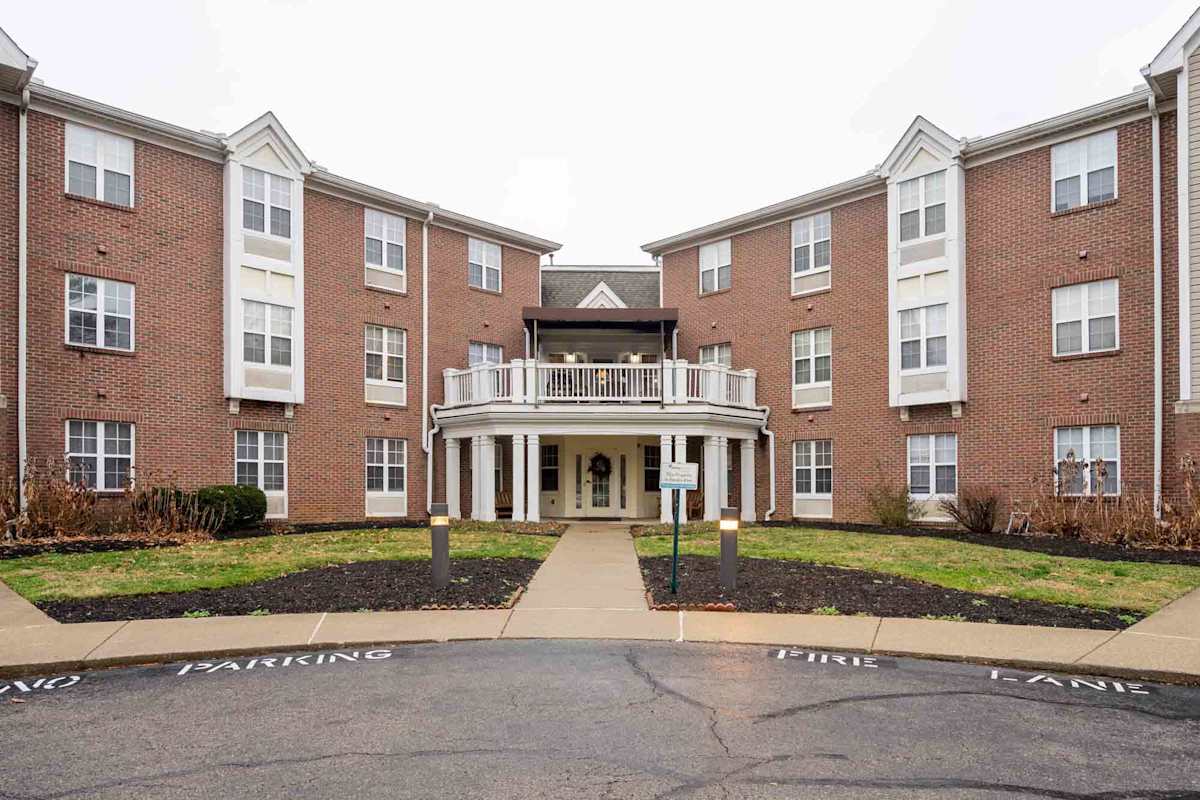
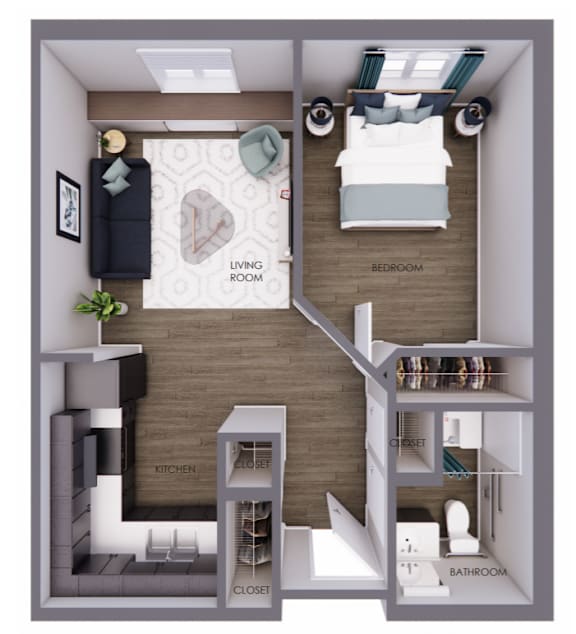
St. Theresa Village is an income-based, subsidized rental community for seniors age 62+. We are located Northeast of Cincinnati, OH in the Kennedy Heights neighborhood. Our community is undergoing a full renovation which will be completed in late 2027. We are currently accepting waitlist applications for our fully remodeled one-bedroom apartments.

Office Hours

Floor Plans

Map

Amenities

  • On-Site Management
  • On-Site Maintenance
  • Laundry Facilities
  • Elevator
  • Controlled Entry
  • Off Street Parking
  • Community Room
  • No Smoking
  • Community Balconies (partially covered)
  • New Fitness Room - Coming Soon

Pet Policy

Contact for details
AFFORDABLE HOUSING

The Low-Income Housing Tax Credit (LIHTC), established by the federal government in 1986 and sometimes referred to as the Section 42 Program, encourages private investment in affordable housing for low- and moderate-income households. LIHTC properties offer reduced rents, making them more affordable than similar nearby housing, provided residents meet income eligibility requirements. In return for offering this rent advantage, property owners receive tax credits that help offset a portion of the development or renovation costs.

Income Limits Coming Soon.

Several factors can prevent a household from qualifying for the Low-Income Housing Tax Credit (LIHTC) program, including:

  1. Income Too High: The household's annual income exceeds the income limits set for the LIHTC property, which are based on the area's median income (AMI) and adjusted for household size. Typically, income limits are set at 60% or less of the AMI.
  2. Criminal History or Background: Some LIHTC properties may have additional screening criteria, such as disqualifying applicants with certain criminal histories or poor rental histories.
  3. Documentation Issues: Failure to provide required documents, such as proof of income or identification, can disqualify an applicant.
  4. Asset Limits (in some cases): Some properties may have restrictions on the value of assets, even if they are not generating income.
  5. Non-Compliance with Rules: If an applicant fails to follow the application process or violates the rules of the property, they may be denied.
  6. Student Status: Full-time student households often do not qualify unless they meet specific exceptions. Student Exemptions are:
  • A student receiving assistance under Title IV of the Social Security Act (TANF); or
  • A student who was previously in the foster care program; or
  • A student enrolled in a job training program receiving assistance under the Job Training Partnership Act or under the other Federal, State or local laws; or
  • The household is comprised of single parents and their children and such parents are not dependents of another individual and such children are not dependents of another individual other than a parent of such children.
  • The household is married and eligible to file a joint tax return.

Each LIHTC property may have additional specific criteria, so applicants should check directly with the property manager or housing agency.

LIHTC residents are not required to reapply after initial qualification but they do undergo an annual recertification process to verify their income, household composition, and eligibility, ensuring continued compliance with program requirements and affordability standards. You are allowed to exceed the Maximum Income Limits once initially qualified at move-in. Full time student status restrictions remain in place at all times.(Process my vary)

LIHTC income calculations include all earnings from employment, benefits, some asset income, self-employment, and other regular sources for adult household members, excluding temporary or irregular income.

LIHTC income calculations include all earnings from employment, benefits, some asset income, self-employment, and other regular sources for adult household members, excluding temporary or irregular income.

Your rent may increase annually based on the new income and rent limits, and this increase may not coincide with your Lease expiration. Rent increases may occur more frequently due to factors outside of new rent and income limits. Please check with the community manager for more information.